
Why is the South Side neighborhood near Buffalo Mountain one of the smartest investment plays in Johnson City right now?
Buffalo Mountain’s 725 acres of permanently protected forest, combined with the South Side’s surging home values and proximity to ETSU, create an investment corridor where appreciation is outpacing the broader Johnson City market by a wide margin.
Why South Johnson City Near Buffalo Mountain Matters Right Now
If you’ve been watching Northeast Tennessee’s real estate trajectory, South Johnson City is the area that should have your full attention. The South Side housing market scored 59 out of 100 on competitiveness recently, with home prices up 47.9% year over year over the three months ending May 2026, selling for a median of $253K. Homes are averaging just 26 days on market compared to 69 days the prior year.
That kind of velocity tells you something important: demand near Buffalo Mountain is accelerating while supply stays tight. With over 13 years of experience serving Johnson City and the surrounding Tri-Cities communities, I can tell you this pocket has shifted from “up and coming” to “arrived” faster than most investors expected. The conservation push to designate Buffalo Mountain as a natural area, one level below a state park, essentially locks in the amenity that drives these values. You can’t overbuild around a protected mountain, and that scarcity is the investor’s best friend.
The Buffalo Mountain Advantage for South Johnson City Property Values
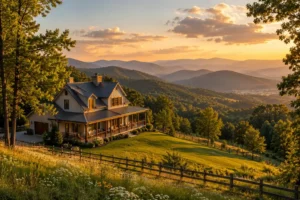
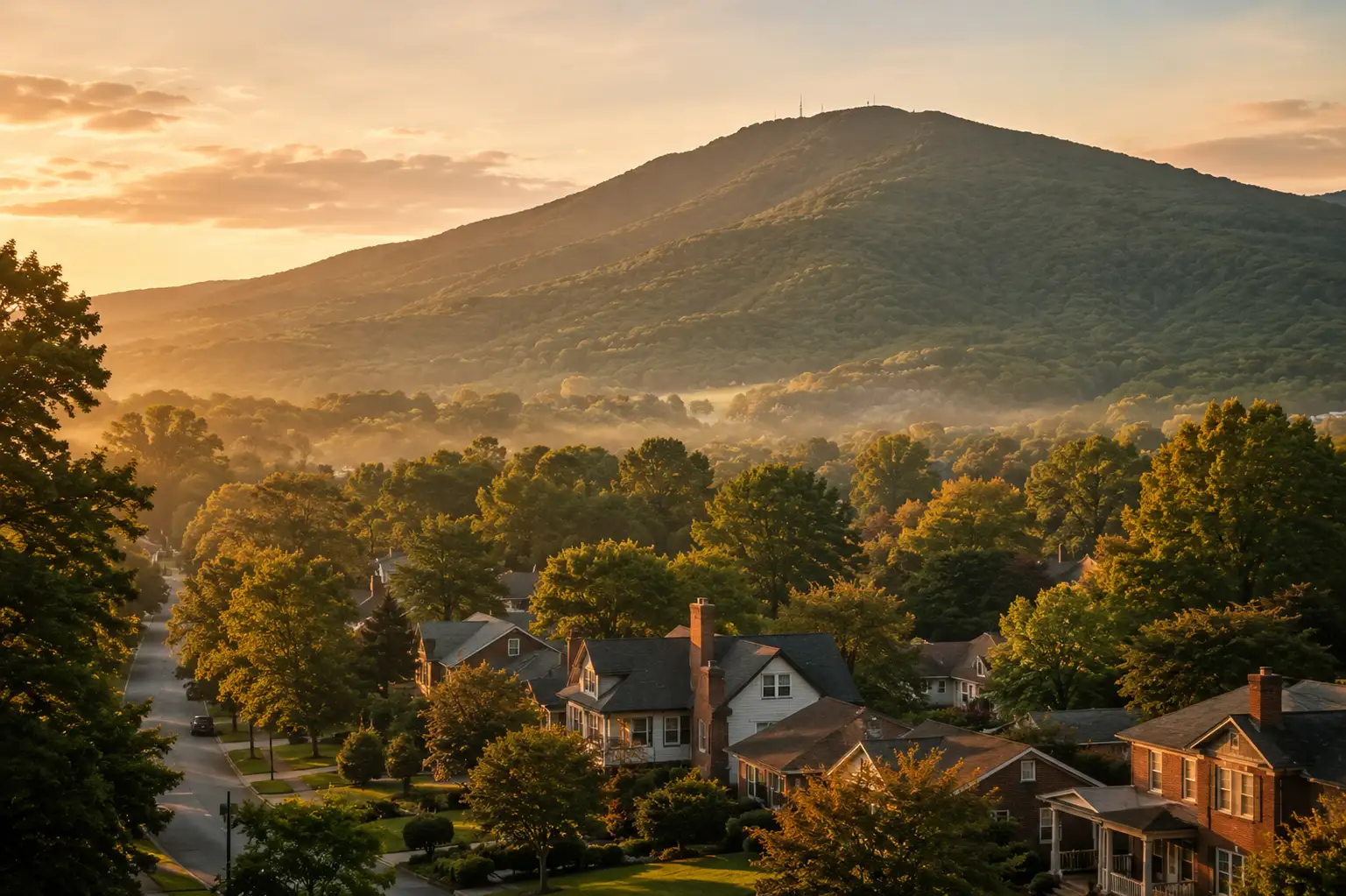
Here’s what makes Buffalo Mountain different from a typical city park. At 725 acres of undisturbed Appalachian forest adjoining the Cherokee National Forest, it functions as a nature preserve with hiking trails reaching up to 3,282 feet at Tip Top. White Rock, at 3,100 feet, sits roughly 1,500 feet above the valley and offers sweeping views east, northeast, and southeast. The park is home to more than 200 species of wildflowers, along with diverse wildlife from deer to grouse to salamanders.
Why does that matter for your investment thesis? Because Johnson City Commissioner Jenny Brock has stated publicly that the city is pursuing designated natural area status through the Tennessee Department of Environmental Conservation. Washington County has no state parks, so this designation would essentially create a permanently protected green anchor for South Johnson City. What I tell investors I work with is simple: when a natural amenity gets locked in by state protection, the surrounding properties don’t just hold value, they compound it.
The park sits just 10 minutes from the heart of the South Side, and its neighbor, Tannery Knobs Mountain Bike Park, adds another recreational layer that draws both residents and visitors. As one local put it, “Ten minutes from the front door, that’s why I’m here today.”
South Johnson City Investment Numbers You Need to Know
Let me walk you through the data that shapes actual buying decisions in this market. The South Side’s average house price hit $268K recently, and hot homes are selling for about 1% below list price while going pending in around 11 days. Meanwhile, active listings show pending prices approaching $310K, which signals where the market is heading, not where it’s been.
Here’s how that stacks up against broader Johnson City metrics:
- South Side median sale price: $253K (three-month average through May 2026)
- Johnson City median sold price: $344,900 (six-month average as of July 2026)
- Johnson City median asking price: $430,000
- Median rent citywide: $880
- Cost of living: Roughly 10% below the national average
- Median commute time: About 15 minutes
So what does this actually mean for your portfolio? The South Side still offers a lower entry point than the citywide median, but the appreciation rate, 47.9% year over year, is dramatically outpacing the broader market. You’re buying into an area where the floor is rising fast, but you haven’t missed the window yet. With 275 closed transactions across this region, I’ve watched these micro-market shifts play out in real time, and the Tree Streets corridor near Buffalo Mountain consistently surprises investors with how quickly rentals fill and equity builds.
What Makes the South Side Near Buffalo Mountain Ideal for Rental Investors
You’re not just buying proximity to a mountain. You’re buying proximity to multiple demand generators that keep rental properties occupied year round.
ETSU and Healthcare Demand in South Johnson City
From the Tree Streets, it’s a 5 to 7 minute drive to East Tennessee State University and the Mountain Home VA Medical Center. Ballad Health and Johnson City Medical Center, the area’s largest employer, sit roughly 10 minutes away. This dual anchor of education and healthcare creates a pipeline of tenants: grad students, medical residents, traveling nurses, and young professionals who want walkable access to downtown without paying premium prices.
Walkability and Lifestyle Amenities
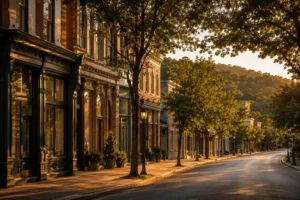
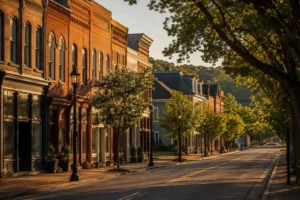
The South Side feeds directly into the Main Street and Founders Park corridor. Yee-Haw Brewing Company, the Saturday Farmers Market, the Tipton Gallery, and the Nelson Fine Arts Center are all within walking distance. Year-round events like the Blue Plum Festival in June and Founders After 5 during summer and fall create the kind of neighborhood energy that commands rental premiums.
School Access for Family Renters
Families renting in this area have access to Southside Elementary, Liberty Bell Middle, and Science Hill High School, the primary public high school serving the area. Powell Square Park and a community garden add to the family-friendly appeal. What I consistently see working with investor clients is that properties near quality schools in walkable neighborhoods have measurably lower vacancy rates.
Navigating the Buy in South Johnson City as an Investor
The Johnson City market is leaning toward sellers with a pending-to-active ratio of 0.52 as of July 2026, but that doesn’t mean you can’t find value. The citywide gap between median asking price ($430,000) and median sold price ($344,900) tells you that list prices are running ahead of where deals have actually been clearing. That roughly 20% gap signals meaningful negotiation room on the right property.
Seasonal Strategy for South Johnson City
August through December is typically the best time to buy in Johnson City, when supply is higher and demand eases. You’re reading this at exactly the right moment to start targeting properties. The financing environment supports this timing, too. The 30-year fixed rate is projected to average 6% for 2026, potentially easing to 5.9% by December. Tennessee’s conforming loan limit of $766,550 covers the vast majority of local deals comfortably. Understanding your mortgage options will help you evaluate financing costs alongside your investment timeline.
Flood Risk and Insurance Considerations
I always want to be upfront about this: floods can increase insurance costs by roughly 12% for certain properties in the region. Not every parcel near Buffalo Mountain carries flood risk, but you need to underwrite insurance carefully on a property-by-property basis. This is exactly why a customized investment strategy matters more than generic advice. At Ridgeline Property Group, we build our approach around your specific goals, timeline, and the current market conditions of each property, not a one-size-fits-all template.
South Johnson City’s Long-Term Investment Outlook
Johnson City has been ranked among the Top 250 Best Places to Live by U.S. News for 2025 and 2026. The median home value of $276,903 sits well below the national average of $359,870, which means the affordability runway here is longer than in most markets investors are watching. Price appreciation projections for the broader Johnson City market sit at 3 to 4% annually, with Tri-Cities suburbs projected at 3.5 to 4.5% due to roughly 7,000 jobs in healthcare and education.
But the South Side is outperforming those projections significantly. When you combine a 47.9% year-over-year price gain with permanently protected green space, a 15-minute median commute, ETSU-driven rental demand, and a cost of living 10% below the national average, you get the kind of fundamentals that make long-term hold strategies extremely compelling.
With 17 five-star reviews and a reputation built on proactive communication and data-driven strategy, I take investor clients’ due diligence as seriously as they do. Every property deserves its own analysis, not assumptions borrowed from another zip code.
Frequently Asked Questions
Is Buffalo Mountain Park going to stay protected from development?
The City of Johnson City has applied to the Tennessee Department of Environmental Conservation for designated natural area status, one level below a state park. Commissioner Jenny Brock has stated publicly that community surveys overwhelmingly support keeping it a natural area for hiking and low-intensity activities. This designation would permanently protect the 725 acres from development, which directly supports property values in the surrounding South Side neighborhoods.
What is the average home price on the South Side of Johnson City near Buffalo Mountain?
The South Side housing market shows an average house price of $268K, with the median sale price at $253K over the three months ending May 2026. Active listings show pending prices approaching $310K, which indicates where values are trending. Prices remain below the citywide median sold price of $344,900, making this area a strong entry point for investors.
How fast are homes selling in South Johnson City in 2026?
Homes on the South Side are averaging 26 days on market, down from 69 days the previous year. Hot homes are going pending in around 11 days. The average home sells for about 3% below list price, while the most competitive listings sell for roughly 1% below list price. This velocity reflects strong buyer demand near Buffalo Mountain and downtown.
What kind of rental demand exists near Buffalo Mountain in Johnson City?
ETSU, the Mountain Home VA Medical Center, and Ballad Health create year-round rental demand from students, medical professionals, and young professionals. The South Side’s walkability to downtown restaurants, breweries, and cultural venues adds lifestyle appeal that commands rental premiums. Median rent in Johnson City is $880, and the price-to-rent ratio in this submarket favors investors.
What are the risks of investing near Buffalo Mountain in South Johnson City?
Flood risk can increase insurance costs by roughly 12% on certain properties, so each parcel requires individual analysis. Supply constraints and some regulatory exclusions also affect inventory. The pending-to-active ratio of 0.52 means the market leans toward sellers, so you may face competition on the best-positioned properties, particularly in the Tree Streets corridor.
How close is the South Side to downtown Johnson City amenities?
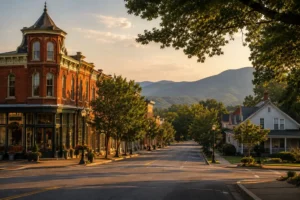
The Tree Streets, Walnut, Maple, Chestnut, Locust, and Elm, sit within walking distance of downtown. Yee-Haw Brewing Company, the Saturday Farmers Market, Tipton Gallery, and Founders Park are all accessible on foot. This walkability is a key driver of both rental demand and resale value for investors targeting this area.
What schools serve the South Side near Buffalo Mountain?
The South Side is served by Southside Elementary, Liberty Bell Middle, and Science Hill High School, which is the primary public high school for the area and well-regarded locally. Families value these options, which strengthens tenant retention for rental investors and supports resale values in the neighborhood.
What is the best time of year to buy investment property in Johnson City?
August through December typically offers the best buying conditions in Johnson City, with higher supply and lower demand. Mortgage rates are projected to ease toward 5.9% by December 2026, which may further improve your financing terms. The current ask-to-sold price gap of roughly 20% suggests meaningful room for negotiation.
How does South Johnson City compare to other Johnson City neighborhoods for investors?
The South Side’s 47.9% year-over-year price appreciation significantly outpaces the broader market. Boone’s Creek tracks at or slightly above the citywide median of $300,000 to $325,000 but lacks the same walkability and cultural density. The South Side offers a lower entry point with stronger momentum, making it compelling for investors prioritizing appreciation alongside cash flow.
What is the commute like from South Johnson City?
The median commute in Johnson City is about 15 minutes. From the Tree Streets, ETSU and the Mountain Home VA Medical Center are a 5 to 7 minute drive. Ballad Health and Johnson City Medical Center are roughly 10 minutes away. Avoid North Roan Street and University Parkway during medical center shift changes at 7 to 8 AM and 5 to 6 PM.
The Bottom Line on Investing Near Buffalo Mountain in South Johnson City
The South Side of Johnson City, nestled at the base of Buffalo Mountain’s 725 protected acres, offers investors a rare combination: below-market entry prices, accelerating appreciation, permanent natural amenity protection, and institutional-grade demand drivers from ETSU and Ballad Health. The numbers support action, and the seasonal window is opening right now.
At Ridgeline Property Group, we don’t believe in cookie-cutter investment strategies. With more than 13 years of local expertise, 275 closed transactions, and a 5-star client rating, I build customized approaches around your specific investment goals, your timeline, and the current market conditions of the property you’re targeting. If you’re seriously evaluating the South Side for your portfolio, give me a contact Ridgeline Property Group today. I’m Alexa Frado with Ridgeline Property Group, and I would welcome the chance to walk you through what the data, and the streets, actually look like today.