
What should real estate investors know before buying a home in Johnson City’s Historic Tree Streets neighborhood?
The Historic Tree Streets offer investors a rare combination of National Register preservation value, walkable proximity to downtown and ETSU, and a median listing price of $360K in a market where Johnson City’s overall median remains 20% below the national average.
Why the Historic Tree Streets in Johnson City Matter Right Now
If you’ve been watching Northeast Tennessee’s real estate market this year, you already know that Johnson City is attracting serious attention. The city landed on U.S. News’ Top 250 Best Places to Live for 2025-2026, and the cost of living sits roughly 10% below the national average. But within Johnson City, there is one neighborhood that consistently commands both emotional appeal and financial upside: the Historic Tree Streets.
I’ve spent more than 13 years helping buyers, sellers, and investors navigate this market, and I can tell you that the Tree Streets are not like any other pocket of Johnson City. This is a neighborhood with roots that go back to the 1780s, a National Register designation since 1996, and a character that simply cannot be replicated in new construction. For investors evaluating opportunities in 2026, the question is not whether Tree Streets properties hold value. It is whether you understand the nuances well enough to buy smartly.
Understanding the Historic Tree Streets District in Johnson City
What Makes This Neighborhood Unique
The district derives its nickname from streets bearing the names of trees: W. Poplar Street, Cedar Place, Maple Street, and Walnut, among others. The oldest occupied house in the city sits at 1117 Cedar Place, a colonial-style brick home constructed in 1812. George L. Carter, the prominent businessman behind the Clinchfield Railroad, largely developed the neighborhood in the 1920s, and other notable residents have included Civil War General John T. Wilder and author Catherine Woods Marshall.
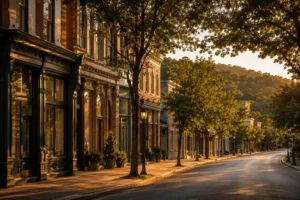
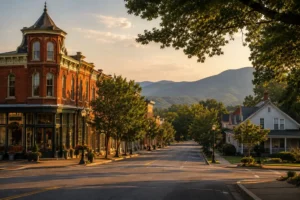
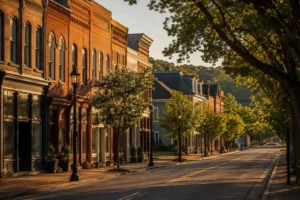
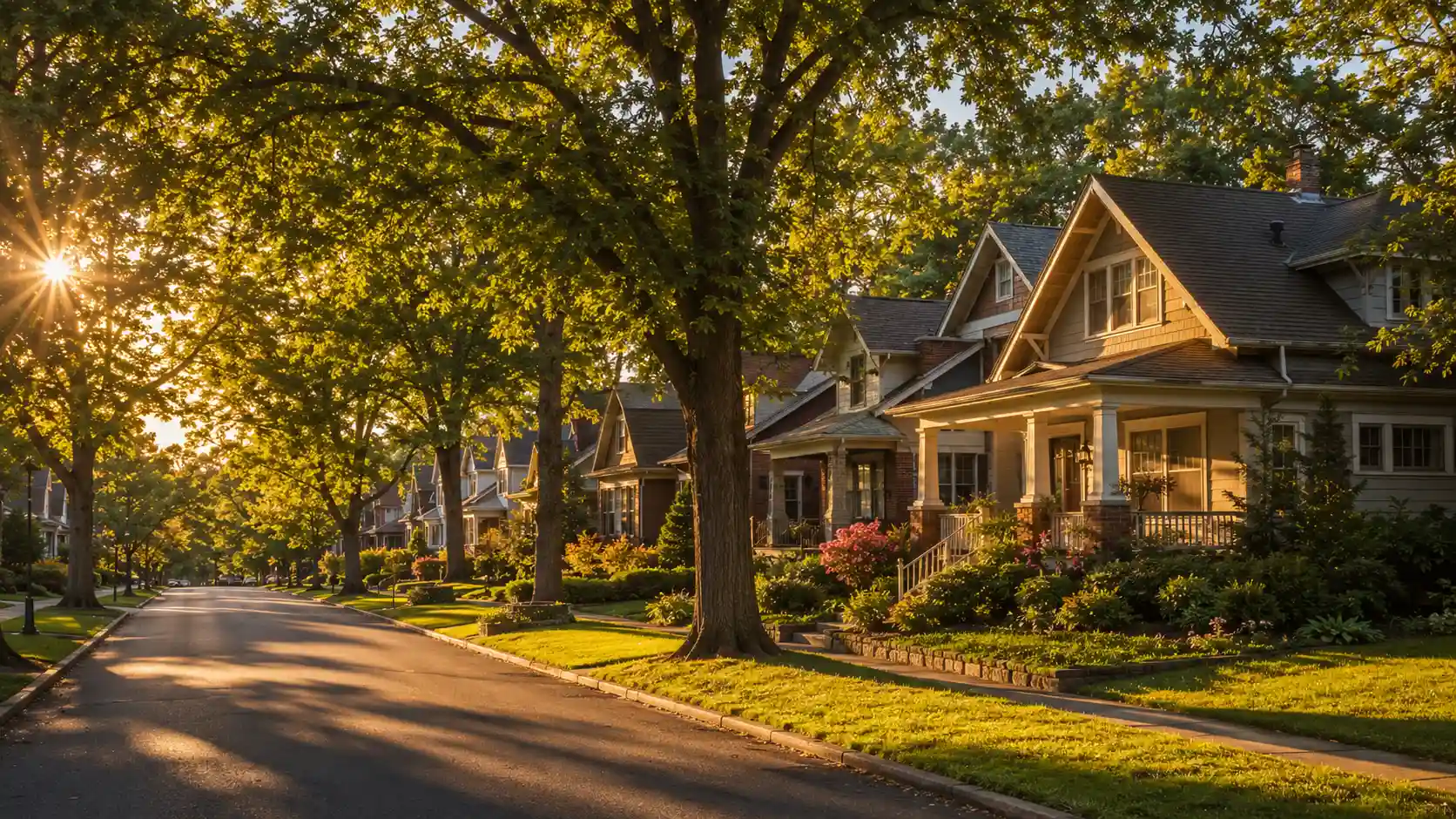
What you see when you walk these blocks today is remarkably faithful to what existed 50 to 75 years ago. Deep and uniform setbacks on tree-lined streets create a natural cohesive quality. Small lots with mature trees and shrubs give the area an impressive, shady, park-like character. The architectural inventory includes Bungalows, Craftsman Bungalows, Queen Anne houses and cottages, Four Square houses, and various early twentieth century revival styles. This is the best and most intact collection of historic residences in Johnson City, period.
The neighborhood is roughly bounded by S Roan, W Chestnut, Franklin and Virginia Streets, and University Parkway. Walking distance puts you at Powell Square Park, one of the city’s oldest community green spaces. The Downhome coffee shop on W State of Franklin Rd is a neighborhood institution, and The Pizza Palace remains a beloved local staple within easy walking reach.
So what does all that charm mean for your bottom line as an investor? Let me break it down.
Johnson City Market Numbers That Matter for Tree Streets Investors
As of mid-2026, Johnson City’s city-wide median sale price was $350K over the last three months, up 11.2% year-over-year. The median sold price over six months is $344,900, while the median asking price of homes currently for sale is $430,000. That gap between ask and close is one of the most important signals in this market: list prices are running ahead of where deals are actually clearing.
Here is what that looks like specifically in the Tree Streets:
- 7 vintage homes currently for sale in the district
- Median listing price of $360K for Tree Streets properties
- Sale-to-list price ratio of 95.97% across Johnson City as of February 2026
- Only 25% of homes sold over asking price
- Homes averaging 53 days on market, up from 41 days last year
For investors, these numbers tell a clear story. You have more negotiating room than you did in 2024 or 2025. The pending-to-active ratio of 0.52 means demand is healthy but not overheated, and that extra time on market gives you the breathing room to conduct thorough due diligence, especially important in a historic district.
What does that mean for your actual offer strategy? With the median listing price per square foot at $207 across the Johnson City metro, you should be underwriting from the sold side, not the listed side. Having closed over 275 transactions in this market, I consistently advise investor clients to anchor their analysis on closed comparables, not aspirational asking prices.
What Investors Must Know About Historic District Regulations in Tree Streets
This is the section that separates the investors who profit from the ones who get blindsided. The Tree Streets is not just a National Register district. It is also a local Historic Conservation District with enforceable design guidelines administered by the Johnson City Historic Zoning Commission, known as the HZC.
Certificate of Appropriateness Requirements
If you plan to expand livable space or pursue new construction, you need a Certificate of Appropriateness from the HZC before construction begins. The commission reviews projects for compatibility with existing houses in the conservation district, evaluating scale, materials, setback, siting, and placement of garages.
Specific Design Standards You Should Budget For
- Porches must have foundations at least 2 feet above grade, of masonry construction, and should be a minimum of 8 feet deep for most houses
- Porch details and materials should be similar to neighboring properties, typically with wide overhanging eaves and substantial columns and balusters
- Dormers are common and encouraged, providing both visual interest and functional value
- The HZC staff prefers to meet with the homeowner and builder at pre-design stages to discuss guidelines
I always tell my investor clients: budget 10-15% more in time for the approval process compared to a non-historic renovation. The process is collaborative, not adversarial, but it does require patience and planning. If you walk in with an architect who understands the guidelines, you will move through approvals far more efficiently.
Why the Regulations Actually Help Your Investment
Here is where the data gets interesting. Peer-reviewed research from East Tennessee State University found a positive economic impact of historic preservation designation on property values in the Tree Streets specifically. The study documented how the neighborhood “successfully turned from a university slum into a livable neighborhood” through decades of civic effort and government planning. The benefits, according to the research, “are not strictly nostalgic but there is a positive economic impact of historic preservation designation on property values.”
In other words, the very regulations that add complexity to your renovation also protect and grow your asset value over time.
The Investment Case for Tree Streets: Rental Demand and Appreciation
Who Rents in This Neighborhood
The Tree Streets sit adjacent to East Tennessee State University, creating structural rental demand from students, faculty, and medical program participants. Johnson City’s median rent is $880, but the walkability and character of Tree Streets properties command a premium. The neighborhood’s vibrant mix of historic homes, local businesses, and university proximity makes it one of the most desirable rental locations in the city.
Johnson City’s economy is anchored by ETSU’s medical programs and Ballad Health’s regional dominance, with approximately 7,000 jobs in healthcare and education. From Tree Streets, the drive to Ballad Health and Johnson City Medical Center is about 7 to 10 minutes via State of Franklin Road. The median commute time citywide is around 15 minutes.
Appreciation Trajectory
Tennessee’s statewide median is projected to climb 3-4% in 2026 from $325,000, with Tri-Cities areas like Washington County forecasted at 3.5-4.5%. And here is a detail that matters enormously for your long-term hold strategy: Tennessee has no state income tax. That applies to your rental income and your capital gains, giving you a meaningful advantage over investors in states with 5-10% income tax rates.
What I tell my clients is simple: the combination of below-national-average purchase prices, no state income tax, and structurally supported rental demand creates a cash-flow profile that is genuinely difficult to find elsewhere in the Southeast right now.
How to Buy Strategically in the Tree Streets of Johnson City
Timing Your Purchase
When is the best time to move typically runs August through December in Johnson City, when supply is high and demand is low. With mortgage rates projected to average 6% for 2026 and potentially easing to 5.9% by December, a late-year purchase could align favorable timing with slightly improved financing terms.
Pre-Approval and Speed
Fresh listings in Johnson City move fast, with the median active listing showing just 1 day on market for new inventory. You need pre-approval and your due diligence process ready before properties hit the market. Rated 5 out of 5 stars by 17 past clients, my team at Ridgeline Property Group prioritizes getting investor clients positioned to move quickly, with financing, inspection teams, and historic-district-savvy contractors lined up before we even start the search.
Insurance Considerations
Flood risk can increase insurance costs by approximately 12% in certain areas. Before you commit to a specific property in the Tree Streets, verify flood zone status and factor insurance into your pro forma. This is one of those details that can shift a deal from profitable to marginal if you discover it too late.
What to Look For
Fully remodeled homes like the 3-bedroom, 2.5-bath property at 400 W Poplar St represent one end of the spectrum: turnkey, move-in ready, premium pricing. On the other end, unrenovated properties with original hardwood floors and deep front porches offer value-add potential, provided you plan for HZC guidelines and a renovation timeline that accounts for the approval process.
At Montrose Court, buyers can own a piece of Johnson City history in a 1940-era Tudor-style building just minutes from ETSU, representing another investment entry point with a different tenant profile.
Frequently Asked Questions About Buying in Johnson City’s Historic Tree Streets
Is the Historic Tree Streets district a good investment in 2026?
The data supports it. Tree Streets properties carry a median listing price of $360K in a market where the city-wide median sold price is $344,900. Peer-reviewed research from ETSU documents a positive economic impact of historic preservation on property values in this specific neighborhood. Tennessee’s lack of state income tax further improves your return profile on rental income and capital gains.
What is the median home price in the Tree Streets of Johnson City?
There are currently 7 vintage homes for sale in the Tree Streets at a median listing price of $360K. Keep in mind that Johnson City’s overall sale-to-list price ratio is 95.97%, meaning most buyers are successfully negotiating below asking price.
Do I need a special permit to renovate in the Historic Tree Streets?
Yes. A Certificate of Appropriateness from the Johnson City Historic Zoning Commission is required before construction begins on any expansion of livable space or new construction. The HZC reviews projects for compatibility in scale, materials, setback, siting, and garage placement.
What architectural styles are found in the Tree Streets district?
The district contains Bungalows, Craftsman Bungalows, Queen Anne houses and cottages, Four Square houses, and various early twentieth century revival styles. Most date from the 1920s through 1940s, and many retain original hardwood floors and deep front porches.
How strong is rental demand near ETSU in the Tree Streets?
Rental demand is structurally supported by East Tennessee State University’s student body and medical programs, plus Ballad Health’s regional employment base of approximately 7,000 healthcare and education jobs. The neighborhood’s walkability and character command a rental premium over comparable Johnson City properties.
What is the commute time from the Tree Streets to major employers?
The drive from Tree Streets to Ballad Health and Johnson City Medical Center is approximately 7 to 10 minutes via State of Franklin Road. The city-wide median commute time is around 15 minutes.
When is the best time to buy in Johnson City?
August through December is typically the best window, when supply is higher and demand is lower. With mortgage rates projected to ease to 5.9% by December 2026, late-year buyers may benefit from both timing and financing advantages.
Are there flood insurance concerns in the Tree Streets?
Flood risk can increase insurance costs by approximately 12% in certain Johnson City areas. Each property should be individually verified for flood zone status before committing. Your agent should help you identify this early in due diligence.
How does Johnson City’s cost of living compare nationally?
Johnson City’s median home value of $276,903 is 20% below the national average of $359,870. The overall cost of living sits roughly 10% below the national average, and the city was named to U.S. News’ Top 250 Best Places to Live for 2025-2026.
What schools serve the Tree Streets neighborhood in Johnson City?
Southside Elementary is within walking distance of the Tree Streets core. Johnson City schools average a grade of B, with 44% actual proficiency versus 39% projected, meaning the district greatly exceeds expectations based on demographics.
The Bottom Line on Investing in Johnson City’s Historic Tree Streets
The Historic Tree Streets offer something you cannot manufacture: genuine character, structural rental demand from ETSU and Ballad Health, National Register preservation that protects long-term value, and a price point that sits well below national averages. The trade-off is navigating historic district regulations, but that complexity is precisely what keeps this neighborhood from being overrun by speculative flippers.
Every investor, every property, and every strategy is different, and that is exactly why I do not rely on cookie-cutter advice. With 13 years in this market and 275 closed transactions across Northeast Tennessee, I build a customized strategy around your goals, your timeline, and the current market conditions. If you are considering buying a home in Johnson City or anywhere in the Tri-Cities region, call me at 423-484-3084. I am Alexa Frado with Ridgeline Property Group, and I would love to help you make a confident, well-informed move.